









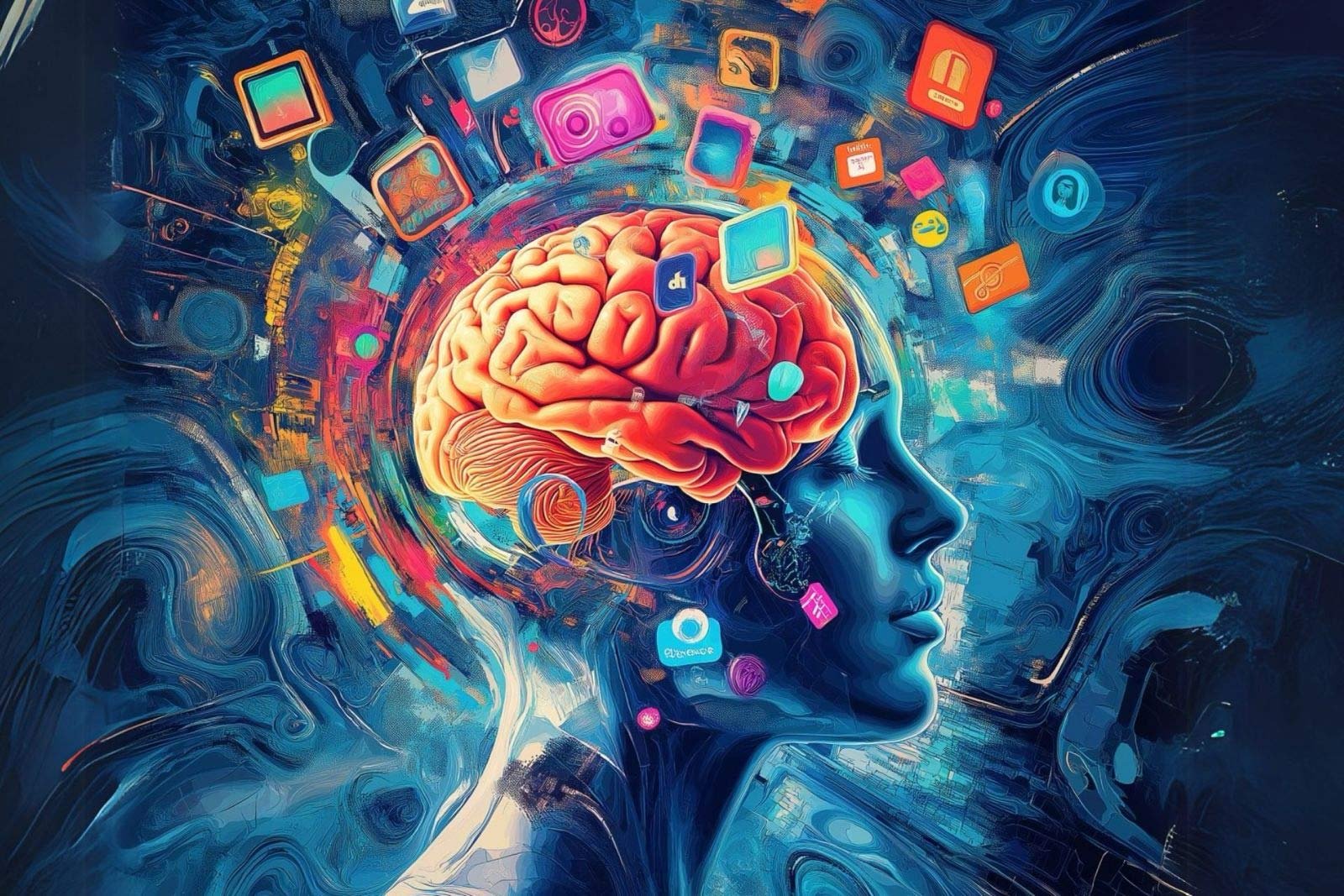


In this fast-paced, always-on world, mental health has finally taken center stage, and for good reason. We’re slowly learning that taking care of our minds is just as important as taking care of our bodies. And right alongside that shift, technology has quietly but powerfully stepped in to help.
The journey began over a decade ago with humble beginnings. Back in 2011, the U.S. Department of Veterans Affairs launched PTSD Coach, a simple app meant to support veterans struggling with post-traumatic stress. Around the same time in Australia, the Black Dog Institute introduced myCompass, a tool for mood tracking and mental health self-help. These weren’t just apps; they were digital lifelines, early signs of a movement that would soon expand across borders, cultures, and generations.
The New Way We Connect with Our Emotions
Fast forward to today, and mental health apps have grown, a lot. We’re no longer just typing out our feelings into digital diaries. Now, we’re having conversations with AI companions that understand us (or try to), using cognitive behavioral therapy (CBT) techniques, and 24/7 support with just a tap on our phones.
Apps like Wysa, Woebot, and Youper are leading the charge, offering text-based conversations grounded in clinical psychology. They’re designed to listen, not just respond, and often, that’s exactly what users need. In fact, a study published in PubMed found that nearly 68% of Wysa users found the experience encouraging and helpful after just a few sessions. And that’s a powerful reminder that sometimes, it’s not just about fixing everything, it’s also about not feeling alone.
Other platforms like Replika and Ebb (now under Headspace) offer emotionally intelligent check-ins that feel eerily human, without judgment, pressure, or expectation. For many, these interactions have become part of their daily emotional hygiene.
Listening to Your Body Through Your Devices
One of the biggest breakthroughs in recent years is the blending of physical health data with emotional insights. Thanks to wearables like the Apple Watch, Fitbit, and Oura Ring, mental health apps now track things like heart rate, sleep, and stress in real time, and respond accordingly.
Apps such as Fabulous, Sleep Cycle, and Sanvello use this data to suggest personalized routines, whether it’s a breathing exercise after a rough night’s sleep or a mood check-in when your stress levels spike. It’s a more holistic approach to wellness, where your phone doesn’t just tell you you’re not okay, it gently helps you do something about it.
What Users Really Want
So why are people embracing these tools with open arms? It’s simple: flexibility, privacy, and personalization. Today’s users aren’t looking for a one-size-fits-all solution. They want something that fits into their life, not the other way around.
According to Verified Market Research, mental health apps are projected to generate over $17.5 billion in revenue by 2031, growing at nearly 20% a year. That kind of growth reflects a rising need for mental wellness solutions that are accessible, comforting, and seamlessly woven into the rhythm of everyday life.
People gravitate toward apps that serve very specific needs:
- For anxiety and stress relief – there’s MindShift CBT and MoodMission
- For better sleep – apps like Pzizz and Calm create soundscapes for rest
- For mood tracking and mindfulness – Moodfit, Reflectly, and Insight Timer are popular choices
- For building better habits – Fabulous and Happify turn wellness into a game
A New Wave in the Middle East
The mental health revolution isn’t just a Western phenomenon. The Middle East and Africa (MEA) region is becoming a rising hub for digital wellness. As awareness increases and stigma fades, countries like the UAE and Saudi Arabia are embracing mental health apps as essential tools.
In fact, the MEA mental health app market is set to hit nearly $728.8 million by 2030, growing at a healthy 14.3% CAGR. Homegrown apps like Labayh are making waves, offering culturally sensitive therapy access in Arabic, tailored not just to mental health needs, but to regional values and norms.
Investors Are Paying Attention
Where attention goes, investment follows. Over the past few years, the mental health app space has seen a flood of capital:
- Calm raised $218 million, becoming a wellness powerhouse.
- Headspace merged with Ginger to form Headspace Health, combining content and clinical care.
- Wondermind, co-founded by Selena Gomez, raised $5 million and quickly hit a $100 million valuation.
- Wysa secured a funding of $20 million to grow its empathy-driven AI.
This isn’t just money, it’s belief. Belief in a future where mental health support is as easy to access as your music playlist.
But It’s Not All Smooth Sailing
Like any innovation that touches something as personal as our mental well-being, this space comes with its fair share of challenges. Questions around data privacy and transparency still remain, when we confide in an app, we want to be sure our stories are safe. And while many apps are based on evidence-backed techniques, not all have gone through clinical validation, which can make users wonder how effective the support really is.
Engagement, too, is a real struggle. Many people start with good intentions but fall off after a few uses. Life gets busy, emotions fluctuate, and sometimes, even opening the app can feel like too much.
Then there’s the deeper question: as AI companions become more responsive, empathetic, even comforting, how do we draw boundaries? These tools can feel remarkably human, but they’re not. How do we make sure people don’t feel isolated in a loop of talking to machines when what they might need is a real connection?
These are not dealbreakers, they’re growing pains. And they remind us that as we build these tools, we must do so with care, with ethics, and with a deep understanding of the people who use them.
Where We’re Headed
The future of mental health support isn’t about replacing people with machines, it’s about ensuring no one feels alone when it matters most. We’re moving toward a world where digital tools don’t just wait for a crisis but gently show up before things unravel, learning your patterns, speaking your language, and understanding when silence speaks volumes.
Imagine an app that notices your restless nights and sends a caring check-in, or a virtual companion who remembers what soothes you and offers it just when you need it. This isn’t magic, its thoughtful design rooted in empathy, data, and the understanding that well-being is deeply personal. What’s truly exciting is the intention behind this technology: a future where mental health care is proactive, personal, and profoundly human, where support isn’t something, you seek out but something that lives with you in your daily rituals, quiet moments, and digital world.
Because mental health isn’t just about getting through the hard days, it’s about building the kind of everyday life that makes those days easier to face.
All Content Rights Reserved by The Catalyst.