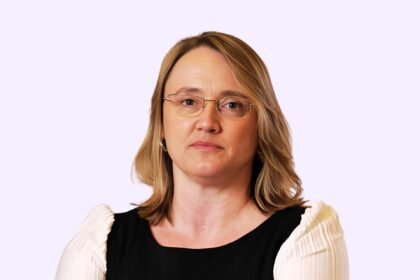








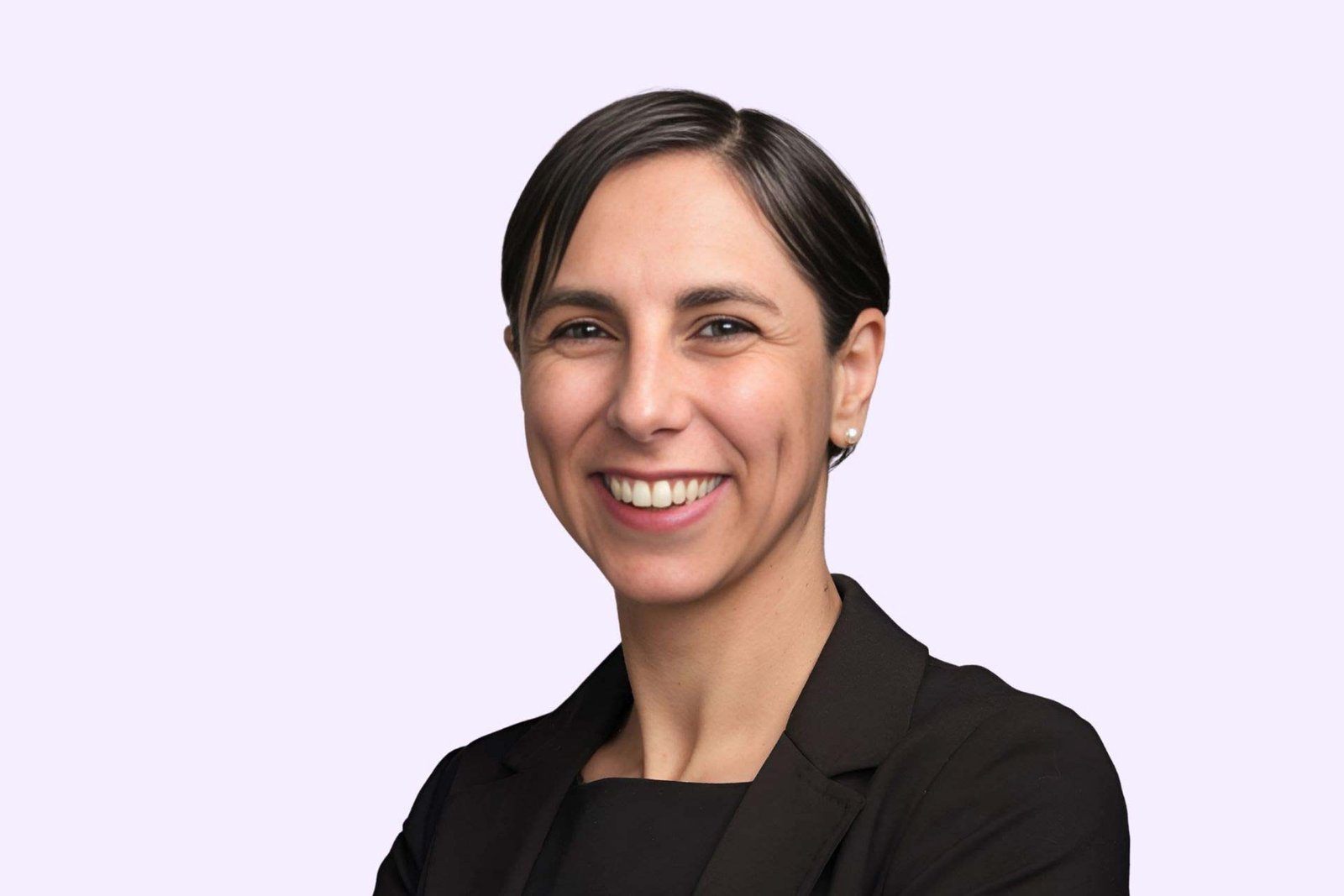


In this exclusive interaction with The Catalyst, Iliana Montauk, CEO of Manara, delves into the critical role of AWS skills in the MENA region’s tech landscape. She explains how Manara is bridging the technical gap for engineers, empowering them to compete globally, and discusses the unique challenges faced by women in tech. Iliana also shares her vision of Manara as a catalyst for the region’s tech ecosystem, highlighting the company’s commitment to diversity, mentorship, and building a thriving community of engineers. She offers invaluable insights into the future of AI, cloud computing, and the evolving role of women in technology and entrepreneurship.
What motivated Manara to collaborate with AWS specifically on empowering tech talent across MENA?
The key reason is that AWS skills are critical for engineers to succeed, and we saw that they were missing in the region. As our alumni applied for roles in the USA and Europe, especially at startups, we noticed that their skill set in cloud computing, and in particular AWS, was lacking. Our goal is to bring the engineers in this region to a world-class level. There was a significant technical gap that was slowing down individual engineers as well as entire companies.
The timing and alignment were perfect. Our initial contact with Amazon Web Services came as AWS was preparing to make massive investments in the region, particularly in Saudi Arabia and the United Arab Emirates, not only in infrastructure but also in talent development. What stood out to us was that AWS shares our belief that training must accompany infrastructure growth to drive true innovation. As part of their commitment, they are also committed to leveraging their company’s growth to empower people from diverse backgrounds, including women.
What are some of the biggest barriers professionals, such as (software engineers, data scientists, and AI specialists in the region) in MENA face when entering tech roles, and how is this program addressing those challenges?
Engineers, data scientists, and AI specialists in the region often face three major barriers:
- Lack of access to structured, outcome-based training and mentorship
- Unclear career pathways and confusion about what to study to be competitive globally
- Limited exposure to international hiring standards and interview preparation
This program addresses all of that head-on. Through Manara’s platform and instructor-led training, learners receive training tailored to MENA, peer mock interviews, and support from instructors and mentors with experience at the world’s top tech firms. We guide participants in determining what skills are most critical to learn, teach them in very practical ways, and ensure they have the clarity and confidence to compete globally.
Manara has a strong focus on diversity and inclusion. How are you tailoring your programs to encourage more women to join and lead in tech?
At Manara, gender inclusion is intentional. We learned early on that retaining and growing female talent is dependent on a strong female community. We ensure that women feel safe, supported, and seen in the workplace by recruiting in women-only communities, offering study groups for women, and providing mentorship from female leaders.
We also test our learning experiences with women specifically to ensure they are suitable for them. “Neutral” designs are often unintentionally designed to benefit men more than women. For example, we learned that if you put a coding assessment early in the experience, women often screen themselves out because they don’t feel ready to take it.
We already have a large community of women engineers from countries like Tunisia and Egypt. We’re proud to see a growing number of Saudi and Emirati women joining our programs. Next, we will focus on supporting women engineers’ advancement into leadership positions.
The Middle East is being seen as the next frontier for tech talent. How do you see an entity like Manara influencing the future tech ecosystem of the region?
We see Manara as a catalyst. While governments are investing billions of dollars in infrastructure, and entrepreneurs are launching new companies at a rapid rate, it is ultimately software engineering and artificial intelligence talent that will power this transformation. By training engineers and data scientists at scale, giving them guidance on what skills matter and fostering a local ecosystem of excellence, we’re accelerating the development of the most critical component of a tech ecosystem.
What role do you believe a woman plays in entrepreneurial ventures play in creating more inclusive opportunities in the tech sector compared to traditional corporate pathways?
In traditional corporate environments, change can be a slow process. It may be discouraging for women to work in an environment that has a high percentage of women in junior technical roles, but there are no women in engineering leadership positions. Women who are entrepreneurs have the ability to shape company cultures from the ground up.
Having two women co-found Manara has shaped everything we do; from the way we design our platform to the way we support our learners and our own team. The fact that Laila, our Chief Technology Officer, is a woman was enormously inspiring to the learner community. She was aware of this and leaned heavily on it. Laila and I placed such a high priority on inclusivity from the beginning that it became a business priority.
With the rise of AI and cloud computing, what specific skillsets will be most critical for new engineers to develop over the next 3–5 years?
Engineers need to focus on key areas:
- Cloud architecture & deployment skills
- AI fundamentals and responsible AI application
- Core software engineering skills, including system design and clean coding practices
- Soft skills—collaboration, adaptability, and strategy.
In other words, the core skillset hasn’t changed: engineers need to understand business priorities, think creatively to solve company problems, and grow & learn quickly. A lot of engineering work – especially after the first few years out of university – is primarily about people and business, rather than sitting at a laptop writing code.
With AI in the picture, engineers will need to understand the big picture, work across disciplines, and determine which new technologies are hype versus those that can provide them with the opportunity to lead the next wave of innovation.
What message would you like to share with young women globally who aspire to pursue a career in technology or take the route of entrepreneurship?
The most important thing is not to limit yourself or think that you need more preparation. Women often wait longer than they ought to. To succeed in tech, you do not have to fit a particular mold, and you do not have to be 100% ready or confident. Don’t underestimate your value. All you need to do is get started and keep going.
There will be a lot of difficulty, and the greatest challenge will be a lack of confidence. There will always be those. There is a good chance that even the most successful CEOs in the world-people who appear confident-are likely to experience low self-esteem on a regular basis. To overcome this obstacle, seek the assistance of mentors or coaches, and build a network of people who will not only assist you in learning quickly on the job, but also encourage you in times of need.
The transformative impact of targeted programs aimed at bridging skill gaps in the MENA region’s tech ecosystem is evident. By addressing barriers such as lack of structured training, unclear career pathways, and limited exposure to global hiring standards, these initiatives are empowering professionals to thrive in a rapidly evolving tech landscape. The commitment to diversity and inclusion, especially the focus on supporting women in tech, is integral to creating a more inclusive and innovative future. As cloud computing and AI continue to drive the industry forward, the emphasis on critical skill development, mentorship, and the fostering of local talent will be pivotal in shaping the region’s tech future.
About the Contributor
Iliana is the CEO of Manara, a Silicon Valley-based edtech startup revolutionizing the professional development of software engineers, data scientists, and AI specialists in the MENA region. Under her leadership, Manara has quickly become a top resource for tech talent, with a focus on raising MENA engineers to Silicon Valley standards. With a background in leading large-scale talent marketplaces at Google and Upwork, Iliana has built an extensive community of over 150,000 computer scientists in MENA.
She is passionate about unlocking the full potential of regional talent and has received recognition from major tech companies like Google, AWS, and Meta. A Polish American born in Belgium, Iliana’s love for Arabic began at age 12, drawn to the language’s poetic beauty, and her experience running a startup incubator in Gaza further deepened her connection to the region.
This contribution is for the Mother’s Day Initiative #builtbymothers.
All Content Rights Reserved by The Catalyst.